
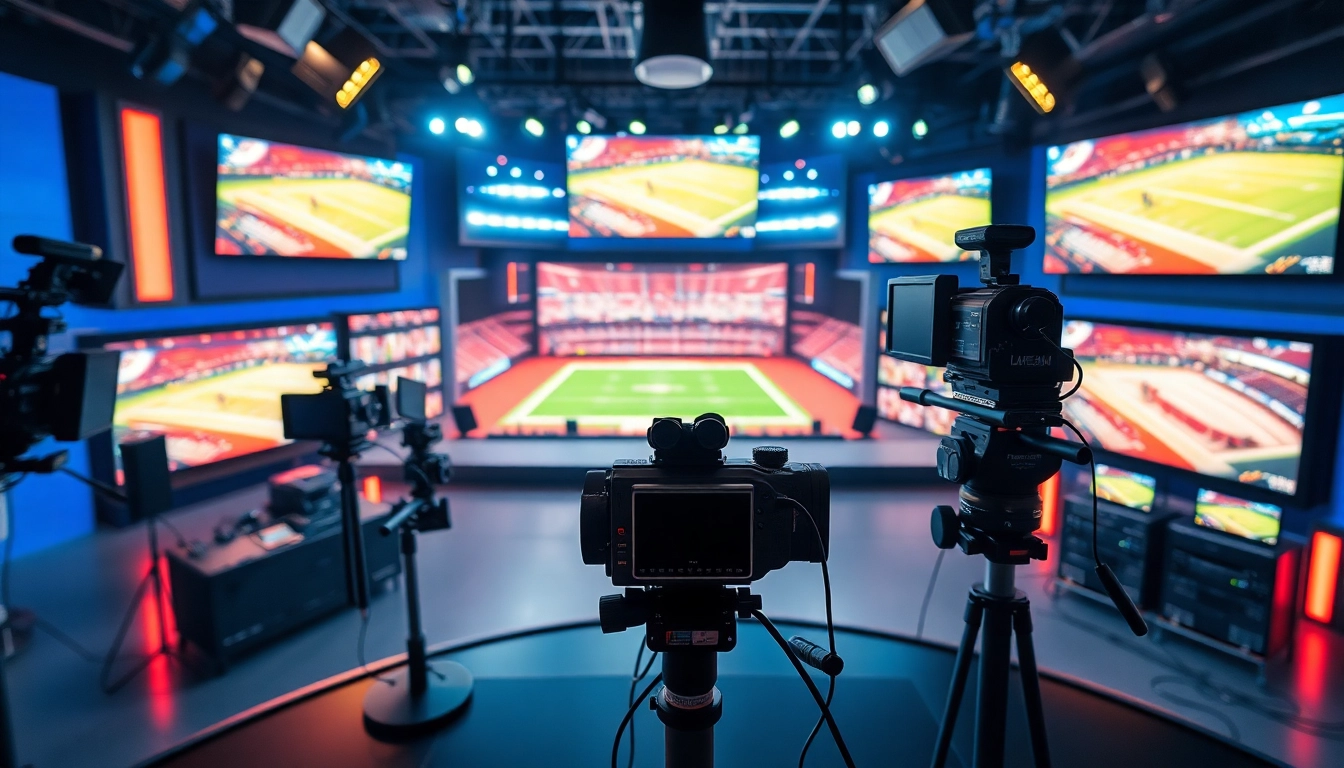
Understanding Sports Broadcasting
Definition and Importance of Sports Broadcasting
Sports Broadcasting encompasses the live transmission of sporting events through various mediums such as television, radio, and digital platforms. It plays a crucial role in delivering thrilling moments of sports to fans who might not be able to attend events physically. Engaging millions of viewers globally, it transforms how audiences connect with their favorite sports and athletes. Moreover, Sports Broadcasting serves as a significant revenue stream through advertising and sponsorships, impacting the economics of sports as a whole.
Key Players in the Sports Broadcasting Industry
Several entities make up the vibrant ecosystem of sports broadcasting. These include regional and national broadcasters, streaming services, sports leagues, and federations. Major media companies invest heavily in acquiring broadcasting rights, while streaming platforms are increasingly partnering with sports leagues to deliver content directly to fans. Other key players include production teams who enhance viewing experiences through expert commentary and innovative technologies.
How Sports Broadcasting Impacts Audience Engagement
The impact of sports broadcasting on audience engagement is profound. It creates a shared experience as fans rally behind teams, fostering a sense of community. Broadcasters enhance this engagement by offering diverse viewing options, interactive features, and multi-platform accessibility. Such innovations boost viewer retention and loyalty, ultimately uplifting ratings and viewership numbers.
Technological Advances in Sports Broadcasting
Emerging Technologies Shaping Sports Broadcasting
Advancements in technology are revolutionizing sports broadcasting. High-definition viewing, 4K resolution, and augmented reality enhancements create immersive experiences. Technologies like machine learning and artificial intelligence improve content delivery and viewer analytics, while virtual reality offers fans a new way to engage with their favorite sports. Drone technology, live graphics, and mobile applications enrich the viewing experience, allowing fans to access content on the go.
The Role of Streaming Services in Sports Broadcasting
Streaming services have significantly disrupted traditional sports broadcasting. Platforms like OTT (Over-the-Top) services allow fans to watch live events without cable subscriptions, catering to a new generation that prefers flexibility. They often provide additional features such as rewind options, multiple camera angles, and personalized content recommendations. This shift toward streaming has also introduced subscription-based models, enabling media rights holders to monetize content effectively.
Integrating Social Media with Sports Broadcasting
Social media has become an integral part of sports broadcasting. It enables real-time interaction between broadcasters, teams, and fans. Various platforms house live commentary, user-generated content, and highlights, enriching the overall experience. Additionally, social media serves as vital promotional tools for upcoming events and helps brands engage with audiences on a more personal level, enhancing visibility and reach.
Challenges in Sports Broadcasting
Common Barriers Facing Sports Broadcasters
Despite the advancements, sports broadcasters face several challenges. One of the primary issues is intense competition among traditional broadcasters and emerging streaming platforms. Additionally, managing broadcasting rights, especially with escalating costs, poses a financial challenge. Broadcasters must also navigate varying audience preferences and consumption habits, which can rapidly change based on demographics and technological trends.
Regulatory Challenges in Sports Broadcasting
Regulatory issues also present unique challenges. Compliance with local laws regarding content distribution, broadcasting rights, and advertising can be complex. Internationally, sports broadcasters face diverse regulations that can impact operations significantly. Therefore, a comprehensive understanding of these laws and building robust legal frameworks is crucial for success in the industry.
Managing Audience Expectations and Experience
As viewer expectations rise, so does the pressure on broadcasters to deliver exceptional viewing experiences. From high-quality resolution to seamless streaming and engaging commentary, every detail matters. Broadcasters must continuously adapt their offerings based on feedback and market surveys to stay ahead. Understanding what the audience desires—whether it’s selective content delivery or interactive viewing options—is key to maintaining viewership.
Best Practices for Effective Sports Broadcasting
Building an Engaging Sports Broadcasting Team
A successful sports broadcasting team consists of skilled members, including anchors, analysts, and technical personnel. Furthermore, fostering a collaborative environment encourages the sharing of creative ideas leading to innovative broadcasts. Regular training and skill development ensure the team stays updated with technological advancements, enhancing the overall effectiveness of the broadcast.
Maximizing Viewership through Content Strategy
Developing a robust content strategy is crucial for maximizing viewership. Broadcasters should focus on creating diverse content, including pre-game analysis, in-game updates, and post-game recaps, to appeal to various audience segments. Content should be optimized for different platforms, ensuring viewers can access it effortlessly. Engaging storytelling that highlights key moments, athletes, and behind-the-scenes insights can captivate viewers’ attention and encourage loyalty.
Leveraging Analytics for Enhanced Sports Broadcasting
Data analytics play a pivotal role in sports broadcasting by providing insights into viewer behavior, preferences, and engagement levels. By analyzing viewer data, broadcasters can adjust their programming and marketing strategies accordingly. This analytical approach enables a more tailored viewing experience and drives advertising revenue through better-targeted marketing campaigns.
Future Trends in Sports Broadcasting
Projecting Future Technologies in Sports Broadcasting
The future of sports broadcasting looks promising with continuous technological advancements. Augmented and virtual reality are expected to create deeper viewer connections with sports, while artificial intelligence will further enhance personalized viewing experiences. The integration of Internet of Things (IoT) devices may provide real-time data analytics, creating a more interactive experience for viewers during live games.
Audience Trends Driving Sports Broadcasting Changes
Shifting audience preferences are rapidly reshaping sports broadcasting. Younger generations are leaning towards more engaging and instant content, often delivered via mobile platforms. This necessitates the need for adaptive content strategies that focus on instant accessibility and inclusivity across demographics. In response to these trends, broadcasters must evolve, emphasizing flexibility and viewer convenience in their offerings.
Preparing for the Next Era of Sports Broadcasting
As the industry changes, preparing for the next era of sports broadcasting involves anticipating viewer needs and adapting accordingly. Broadcasters should focus on partnerships with tech companies to leverage emerging technologies and platforms. Continuous innovation in viewer engagement strategies, along with a keen eye on audience feedback, will be essential elements for success in this competitive landscape.
FAQs
What is Sports Broadcasting?
Sports broadcasting refers to the transmission of sports events via television, radio, or online platforms, providing live coverage to audiences.
How has technology changed Sports Broadcasting?
Technology has introduced innovations like 4K broadcasting, virtual reality, and enhanced analytics, enriching viewer experience significantly.
What challenges do Sports Broadcasters face?
Common challenges include compliance with regulations, competition from streaming platforms, and ensuring audience engagement amidst rapid content turnover.
How does audience engagement affect Sports Broadcasting?
Audience engagement drives viewership and loyalty, influencing content decisions, advertising revenues, and overall success in sports broadcasting.
What trends are emerging in Sports Broadcasting?
Trends include increased use of mobile streaming, interactive viewing experiences, and integration with social media platforms to enhance viewer interaction.