Understanding Window Tint: Basics and Benefits
What is Window Tint?
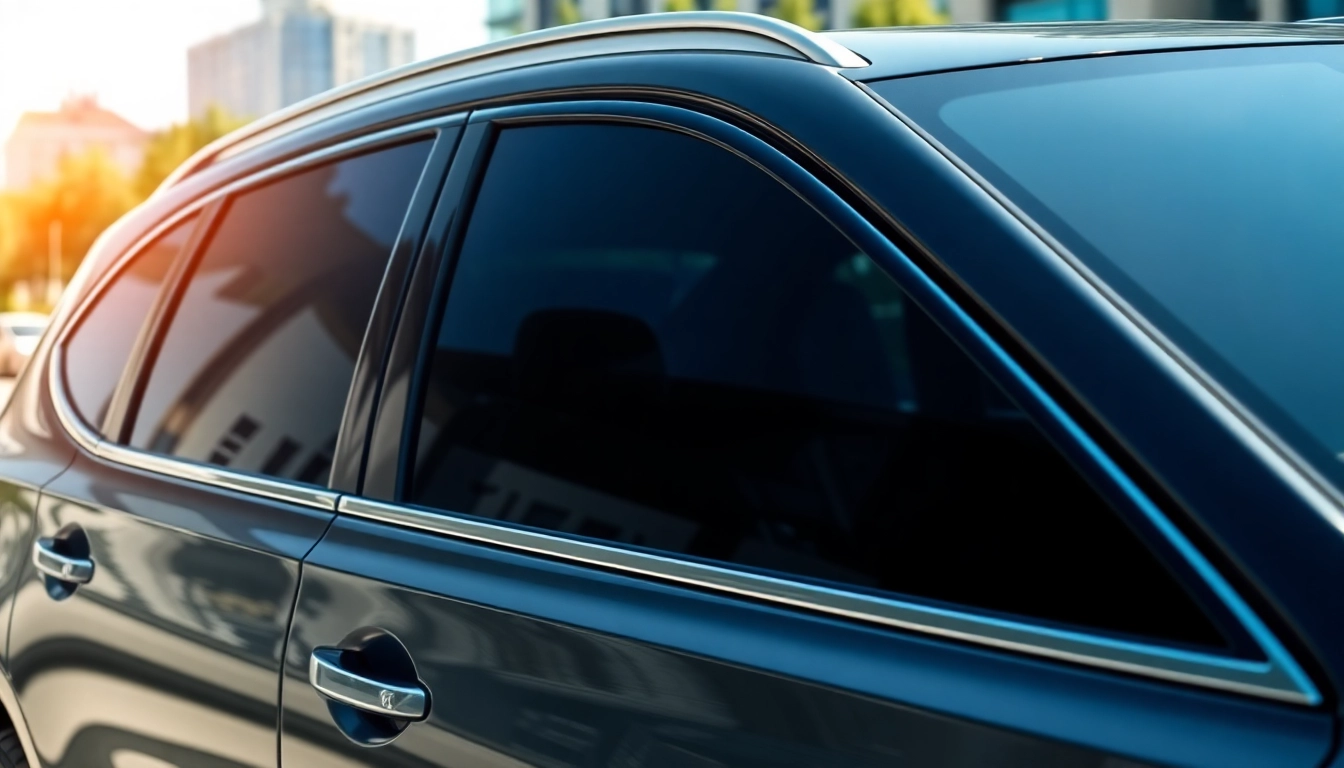
Window tint refers to a thin film made from either polyester or other materials that is applied to the interior or exterior of glass surfaces, commonly found in vehicles, homes, and commercial buildings. This film is designed to reduce glare, enhance privacy, and improve the aesthetic appeal of glass surfaces while also providing UV protection. The application of window tint involves different techniques, but it primarily serves as a barrier against harmful sunlight and heat.
Key Benefits of Window Tinting
Window tinting offers numerous advantages, making it a popular choice for both vehicle owners and homeowners alike. Some key benefits include:
- Heat Rejection: Tinted windows can block up to 99% of harmful UV rays and significantly reduce heat buildup, maintaining a cooler interior.
- Energy Efficiency: By minimizing heat absorption, window tint can help reduce reliance on air conditioning, leading to lower energy bills.
- Glare Reduction: Tinted films can enhance visibility by reducing glare from sunlight and headlights, making driving safer and more comfortable.
- Enhanced Privacy: Window tinting offers an added layer of privacy, preventing outsiders from easily seeing into your car or home.
- UV Protection: Window tint films act as a shield against harmful ultraviolet rays that can cause skin damage and fading of interior materials.
Different Types of Window Tints
There are several types of window tints available, each with distinct characteristics and benefits. Understanding the differences can help you choose the right option for your needs:
- Dyed Window Tint: This type uses dyed film to absorb solar energy, providing decent glare reduction and privacy but limited heat rejection capabilities.
- Metalized Window Tint: Featuring small metallic particles, this type enhances durability while reflecting heat away, although it may interfere with electronic signals.
- Carbon Window Tint: Carbon films offer excellent heat rejection without the reflective surface of metalized tints, making them a popular mid-range option.
- Ceramic Window Tint: Made from non-metallic solar control properties, ceramic tints provide superior UV protection and heat rejection without screening signals.
- Hybrid Window Tint: Combining elements of dyed and metalized films, hybrid tints offer a balance of heat rejection and aesthetic appeal.
Choosing the Right Window Tint Near Me
Factors to Consider When Selecting Window Tint
When searching for window tint near me, it's vital to consider specific factors to ensure you select the best option. Key considerations include:
- Local Climate: In warmer climates, you may prioritize films with high heat rejection properties to keep your interiors cooler.
- Legal Regulations: Different regions have laws governing the allowable tint levels. It’s essential to ensure compliance with local regulations.
- Purpose of Tinting: Determine the primary reason for tinting—whether for aesthetics, privacy, or UV protection—to select the most suitable type.
- Quality and Brand Reputation: Opt for reputable brands known for their durability and performance, as quality can affect longevity and effectiveness.
Local Regulations on Window Tinting
Before installing window tint, it's crucial to research local laws regarding the permissible tint darkness and reflection levels. Most regions have specific regulations that govern how much light can be transmitted through vehicle windows. Regulations typically vary based on the type of vehicle windows, such as front, rear, or side windows. Always consult your local Department of Motor Vehicles (DMV) or relevant authorities to ensure compliance.
Assessing Quality and Warranty
Quality is paramount when it comes to window tinting. Look for films that come with warranties, as these often reflect the manufacturer’s confidence in their products. Quality films are more resistant to bubbling, fading, and peeling over time. Always assess the warranty terms—longer warranties usually indicate higher quality. Checking customer reviews and testimonials can also provide insights into the durability and performance of the tinting products offered by local installers.
Installation Process: Expert vs. DIY
Advantages of Professional Installation
While DIY window tint kits are available, opting for a professional installation service offers multiple advantages:
- Expertise and Experience: Professionals have the necessary experience to install window tinting without issues like bubbling or misalignment.
- Access to High-Quality Materials: Professionals often have access to superior materials and installation equipment compared to what is available for consumer use.
- Time Efficiency: Trained technicians can complete the job faster than the average consumer, minimizing vehicle downtime.
- Longer Warranty Coverage: Many professional installers offer warranties on their work, safeguarding your investment for the future.
DIY Installation: Tips and Tricks
If you choose to install window tint yourself, here are some tips to achieve the best results:
- Preparation is Key: Clean your windows thoroughly to prevent dirt and dust from ruining the finish.
- Use the Right Tools: Invest in a quality installation tool kit, which typically includes a squeegee, utility knife, and heat gun.
- Follow Instructions: Execute the installation by carefully following the manufacturer’s instructions for the film you’re using.
- Take Your Time: Rushing can lead to mistakes—take the time to ensure every detail is attended to.
Common Mistakes to Avoid
To ensure your DIY project is a success, be aware of these common mistakes:
- Ignoring Surface Preparation: Failing to clean the glass can lead to a rough finish and premature failure of the tint.
- Improper Alignment: Misaligning the tint film can create noticeable gaps and a less professional appearance.
- Overheating: Using too much heat can damage the film, so always use a heat gun at the recommended settings.
- Failing to Allow Drying Time: Not giving the film enough time to cure can lead to bubbling and peeling.
Maintenance Tips for Your Window Tint
Cleaning and Care Guidelines
Proper maintenance extends the life of your window tint and preserves its appearance. Here are essential cleaning tips:
- Use Mild Cleaners: Stick to soft, ammonia-free cleaners to avoid damaging the tint.
- Soft Cloths Only: Use microfiber or other soft cloth materials to prevent scratches during cleaning.
- Avoid Abrasive Tools: Steer clear of scrub brushes, scouring pads, or any abrasive tools that could harm the film.
- Gentle Techniques: Clean windows with gentle, circular motions to maintain an even surface on the tint.
Signs Your Window Tint Needs Replacement
Being aware of when your window tint needs replacing is essential for maintaining functionality. Look out for these signs:
- Bubbling: Bubbles forming between the film and glass indicate that the adhesive is failing.
- Fading: If the tint appears discolored or faded, it's a sign that the film is degrading.
- Peeling Edges: Peeling at the edges or corners suggests that the film needs to be replaced.
- Difficulty in See-through: If visibility is compromised due to cloudiness, it may be time for replacement.
Long-Term Benefits of Proper Maintenance
Proper maintenance not only ensures optimal performance but also offers long-term benefits that include:
- Increased Lifespan: Well-maintained tint can last years longer than neglected films.
- Enhanced Appearance: Regular cleaning keeps your windows looking new and enhances your vehicle's or property’s overall aesthetic.
- Improved Performance: Maintaining the film ensures it continues to provide maximum protection against UV rays and heat.
- Higher Resale Value: Keeping your windows in good condition can contribute positively to the resale value of your vehicle or property.
Frequently Asked Questions About Window Tint Near Me
How long does window tint last?
Window tint can last between 5 to 15 years, depending on the quality of the film and how well it is maintained.
Is window tinting illegal in my area?
Tinting regulations vary from state to state; checking with local laws will ensure your installation complies with allowable tint levels.
Can I remove window tint myself?
While it’s possible to remove window tint on your own, hiring a professional is recommended to avoid damage to the glass.
Will window tinting keep my car cooler?
Yes, window tinting can significantly reduce interior heat buildup and UV radiation, resulting in a cooler environment.
What are the benefits of ceramic window tint?
Ceramic tint provides exceptional heat rejection and UV protection while allowing radio signals and mobile connections to function without interference.